What is a defensible space inspection, and who shows up to do it?
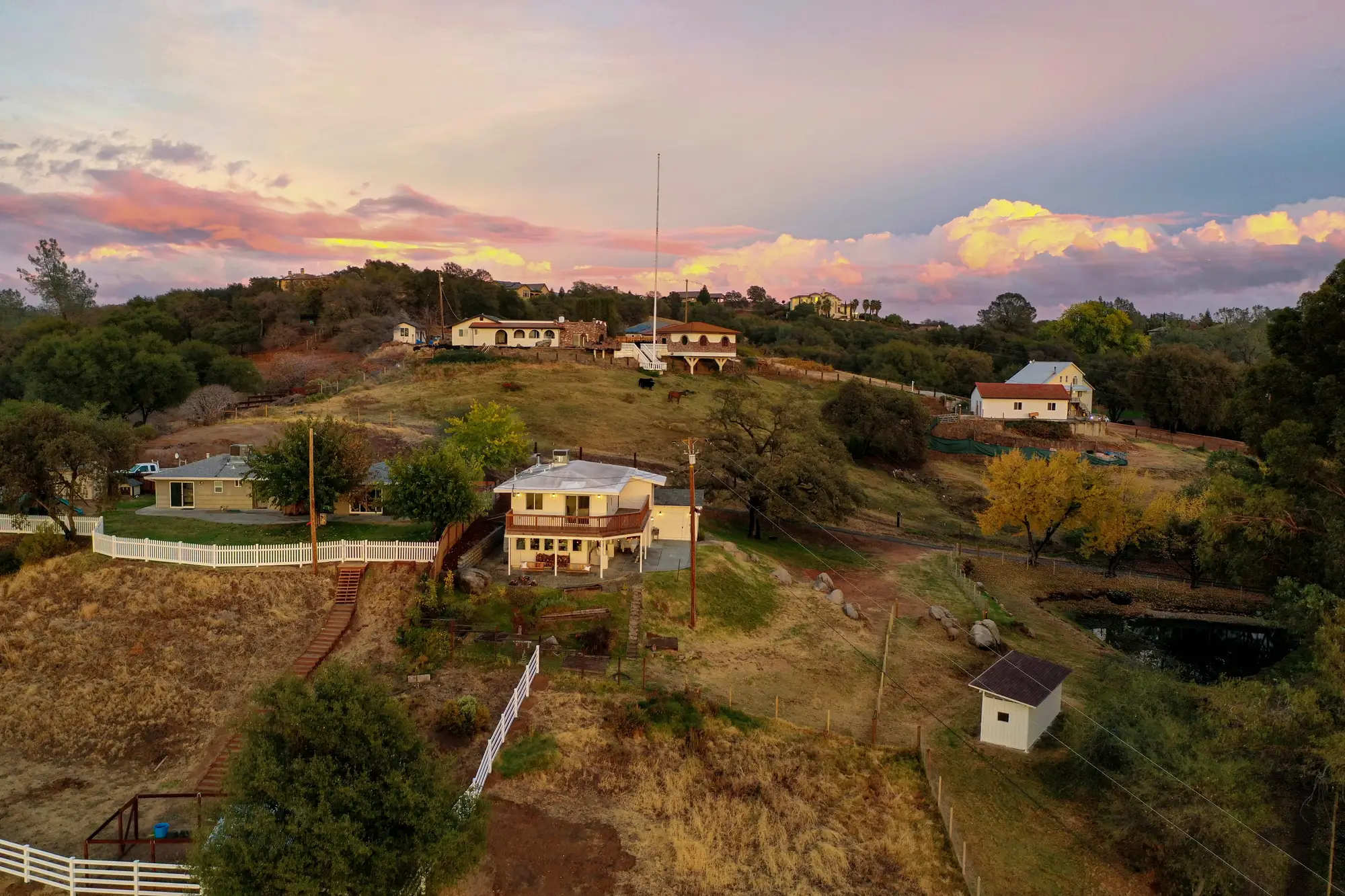
A defensible space inspection is a site visit, walk, or remote review that checks whether the vegetation around a structure matches the clearance rules for its zone. The term covers a range of actors: a county fire inspector doing an annual sweep, a state agency auditing a subdivision in a responsibility area, or an insurance field rep walking a property before binding or renewing a policy. The common thread is that someone is comparing what's actually growing near the house against a standard, zone by zone, and writing down where it fails.
Who actually conducts the inspection
In most states, the primary inspector is a local fire authority: a county fire marshal's office, a fire protection district, or in some cases a state forestry agency when the parcel sits in a state responsibility area. These inspections are usually triggered by a permit, a complaint, a wildfire-risk ordinance renewal cycle, or a post-fire reassessment in the surrounding area.
Separately, and often without coordinating with the fire marshal's schedule, insurance carriers send their own inspectors, hire third-party vendors, or increasingly pull aerial and satellite imagery to assess the same clearance before binding a new policy or renewing an existing one. A homeowner can pass the fire marshal's visit in spring and still get a non-renewal notice in fall because the carrier's underwriting review used a different cutoff date, a different zone definition, or simply caught regrowth the county hasn't gotten back to yet.
What's on the checklist
Most jurisdictions structure the inspection around three zones radiating out from the structure, though the exact distances and names vary by state and sometimes by county ordinance:
- Zone 0 (immediate zone, typically out to 5 feet): no combustible mulch, no stacked wood, nothing that lets an ember catch right against the siding.
- Zone 1 (lean, clean, and green, roughly 5 to 30 feet): removed ladder fuels, trimmed tree limbs that overhang the roof, adequate spacing between remaining shrubs and trees, dead or dying vegetation cleared out.
- Zone 2 (reduced fuel, roughly 30 to 100 feet or to the property line): thinned, not bare, vegetation with enough horizontal and vertical spacing to slow a running crown fire.
A thorough inspector also checks roof and gutter debris, the clearance around propane tanks and outbuildings, and whether the access road or driveway has enough vertical clearance for apparatus. The checklist reads differently depending on who's running it. Fire marshals tend to grade pass/fail against code; carriers tend to score a gradient that feeds into a rating tier or a non-renewal decision.
Who actually enforces the clearance requirement
Enforcement splits along two tracks that don't always talk to each other. On the regulatory side, it's the fire authority with code jurisdiction, backed in some states by a fire marshal's office or a state forestry agency that can issue notices, set abatement deadlines, and in persistent non-compliance cases refer the parcel for cleanup liens. On the insurance side, enforcement looks like underwriting action: a conditional renewal that requires proof of clearance within 30 or 60 days, a rate surcharge, or a flat decline to renew. Neither agency is required to defer to the other's findings, which is why a property can be in good standing with the county and still get flagged at renewal.
That gap is also the reason a lot of underwriters have stopped waiting for a vendor to drive out and walk the parcel. A per-address compliance check built from recent imagery gives you a zone-by-zone read without scheduling a site visit, which matters most right before a renewal decision or a regulator's data request. That's the gap Defensible Space is built to close.
If you're scoring a book of policies against zone requirements and don't want to wait on a field inspector's calendar to find out which addresses have drifted out of compliance, take a look at what Defensible Space can do before your next renewal cycle.